Understanding Audi Key Types and Why Replacement Is Complex
Audi has used several distinct key technologies across its model lineup, and identifying the correct type is the critical first step before any replacement begins. Early Audi models used basic transponder keys — a microchip embedded in the key head that communicates with the vehicle's immobilizer. If that chip is absent, cloned incorrectly, or not properly programmed to the car's ECU, the engine will crank but refuse to start. Mid-generation Audi models added remote fob functionality, combining physical blade, transponder chip, and radio-frequency buttons into a single unit. Losing this style of key means losing ignition access, door locking, and trunk release simultaneously.
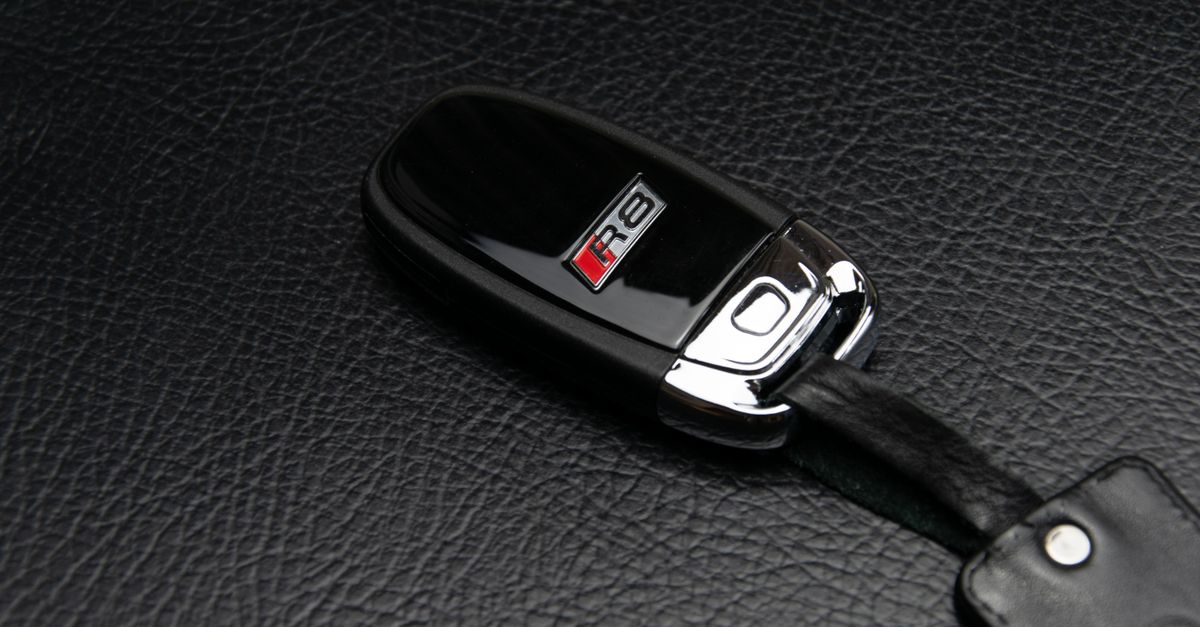
More recent Audi models — particularly those running the MMI platform — use proximity or smart keys that allow keyless entry and push-button start. These keys communicate via a rolling-code encrypted signal and require dealer-level programming hardware to pair correctly with the vehicle. Our technicians carry OBD-based programming equipment capable of reading and writing to Audi's immobilizer systems across a wide range of model years, meaning we can generate, cut, and program replacement keys on the spot without transporting your vehicle anywhere. We also handle situations where all keys have been lost, which requires a more involved all-keys-lost programming sequence — something our experienced team performs regularly throughout the West Palm Beach area.