Why Keys Snap — and Why the Lock Type Matters
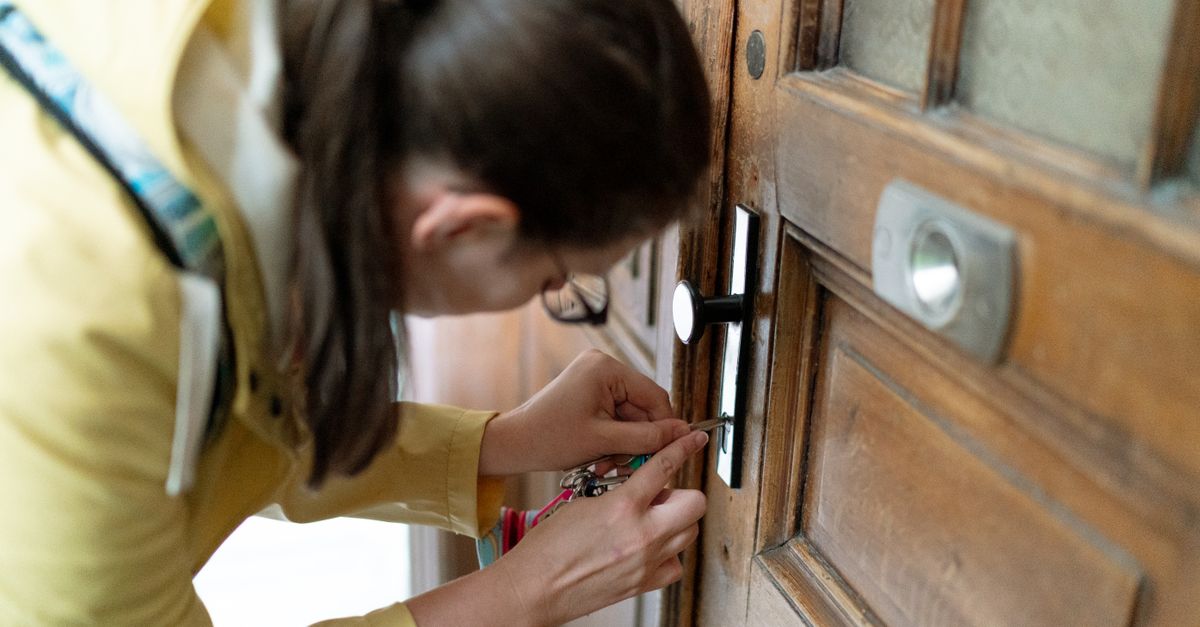
Keys break for a handful of predictable reasons: metal fatigue from years of daily use, a worn or misaligned lock cylinder that creates binding pressure, a door that has shifted on its hinges — common in South Florida where seasonal humidity causes wood frames to expand and contract — or simply applying too much lateral force at the wrong angle. The moment of the break matters less than what happens next, because the type of lock the fragment is lodged in determines every aspect of the extraction approach. A slim fragment in a standard door knob lock sits differently than one trapped in a deep mortise lock body, and the wrong tool choice for either situation can compress the piece further, swell the keyway, or score the cylinder pins, turning a straightforward extraction into a full cylinder replacement.
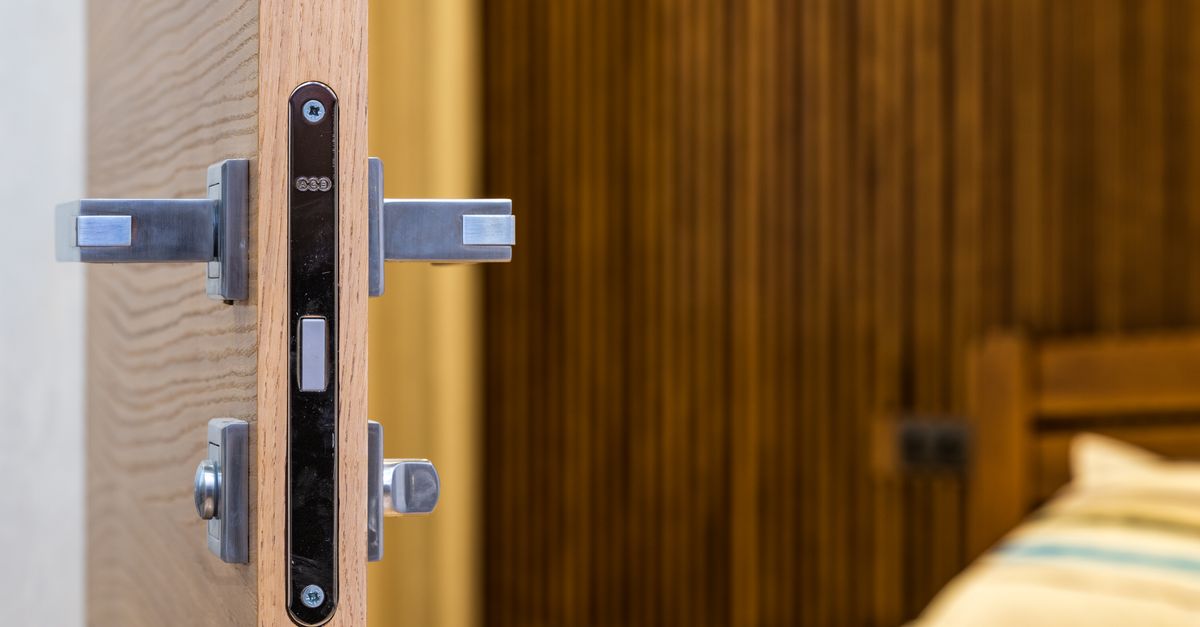
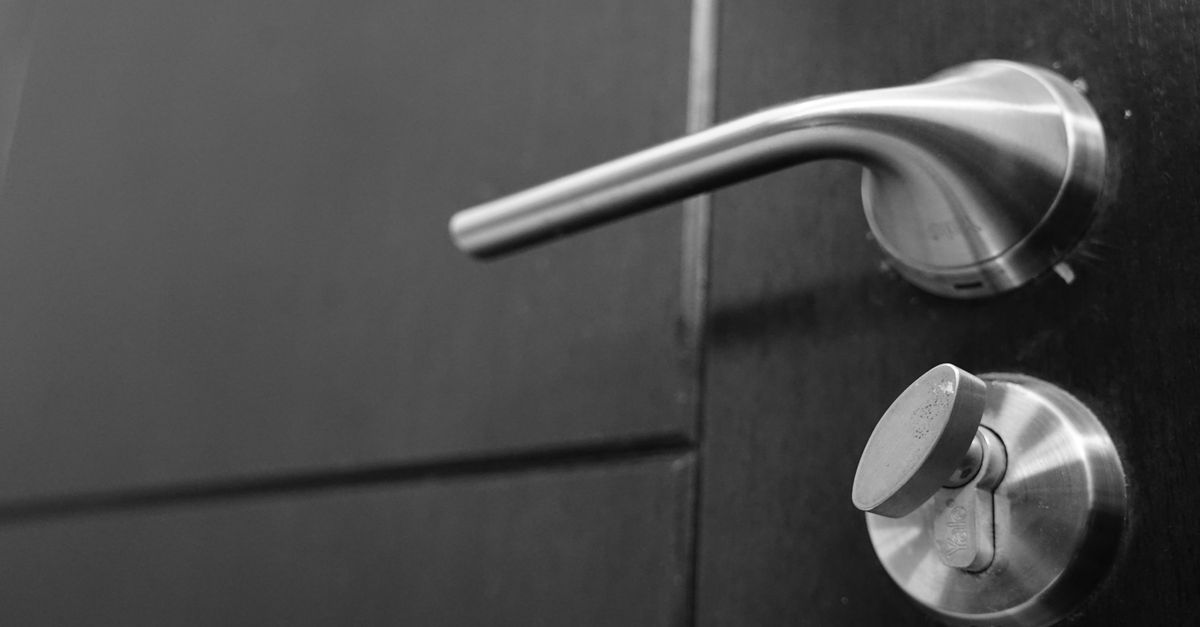
Mortise locks, found frequently on older West Palm Beach commercial buildings, historic homes in the Northwood neighborhood, and upscale multi-family properties, are particularly unforgiving. The cylinder is mounted inside a heavy rectangular case embedded in the door edge, which means access is more constrained and the fragment's position relative to the plug and pins is harder to read without experience. Door knob locks present a different challenge — the cylinder is compact, the keyway is narrow, and the fragment often rotates slightly as the key breaks, misaligning it from the ideal extraction angle. Our technicians train on all of these configurations and carry purpose-built extraction hooks, spiral picks, and broken-key extractor sets sized specifically for each lock profile.